Shop by Category
Elevate precision with premium weighing solutions.

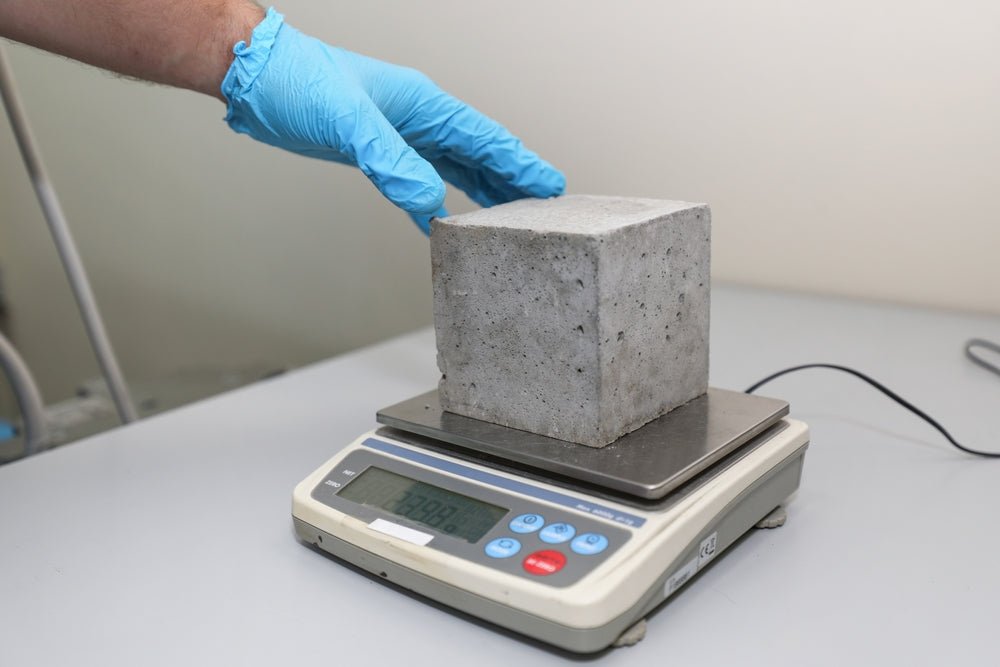
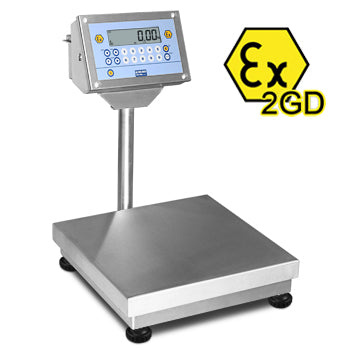
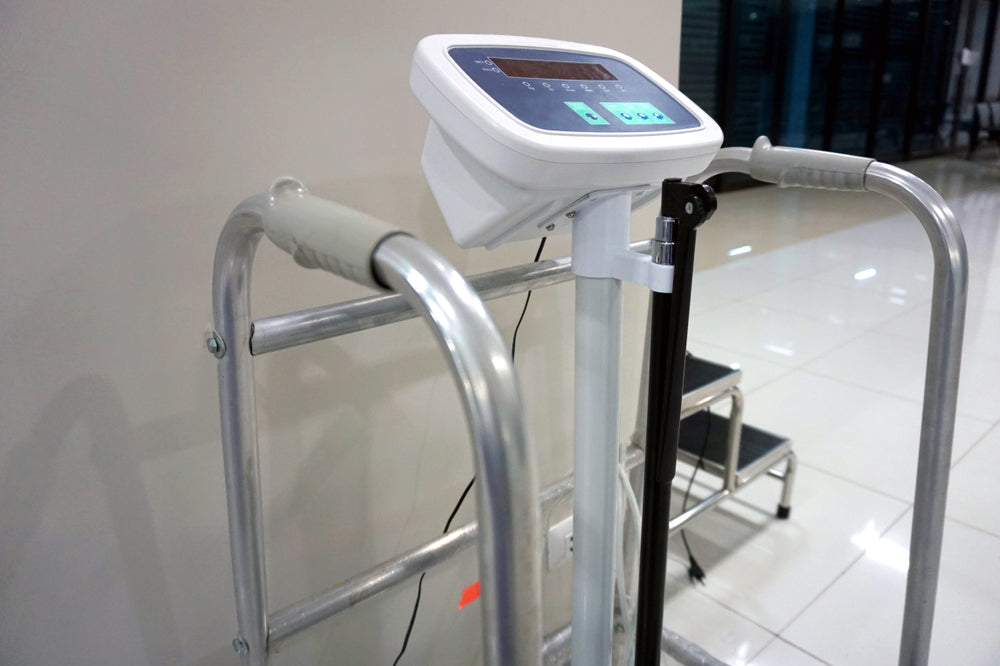
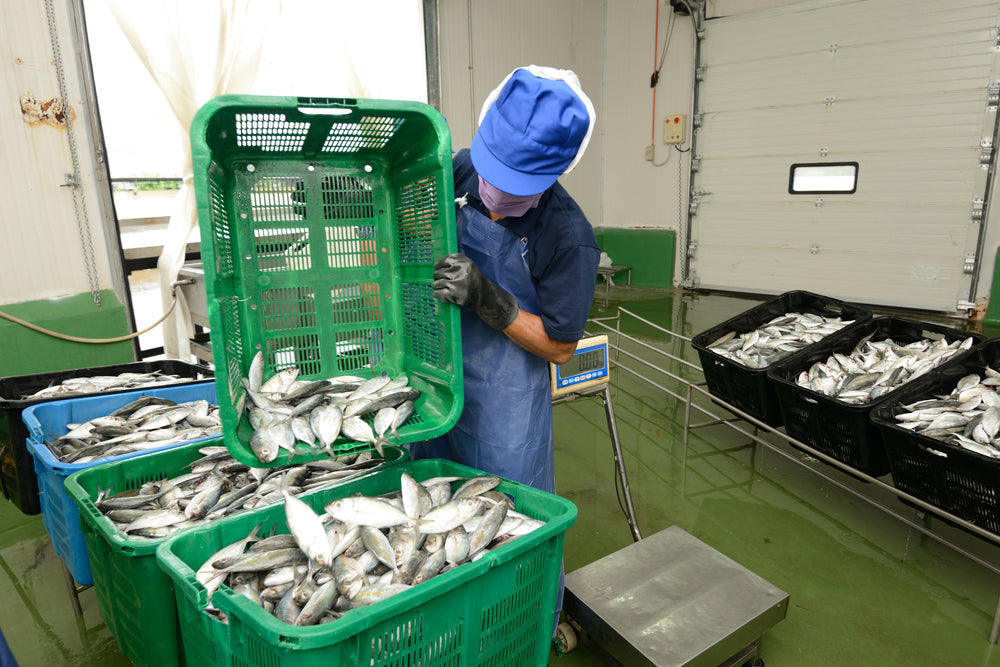
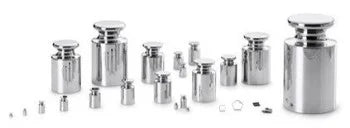
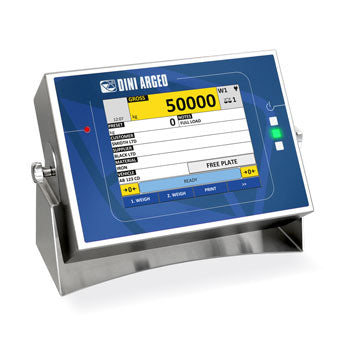
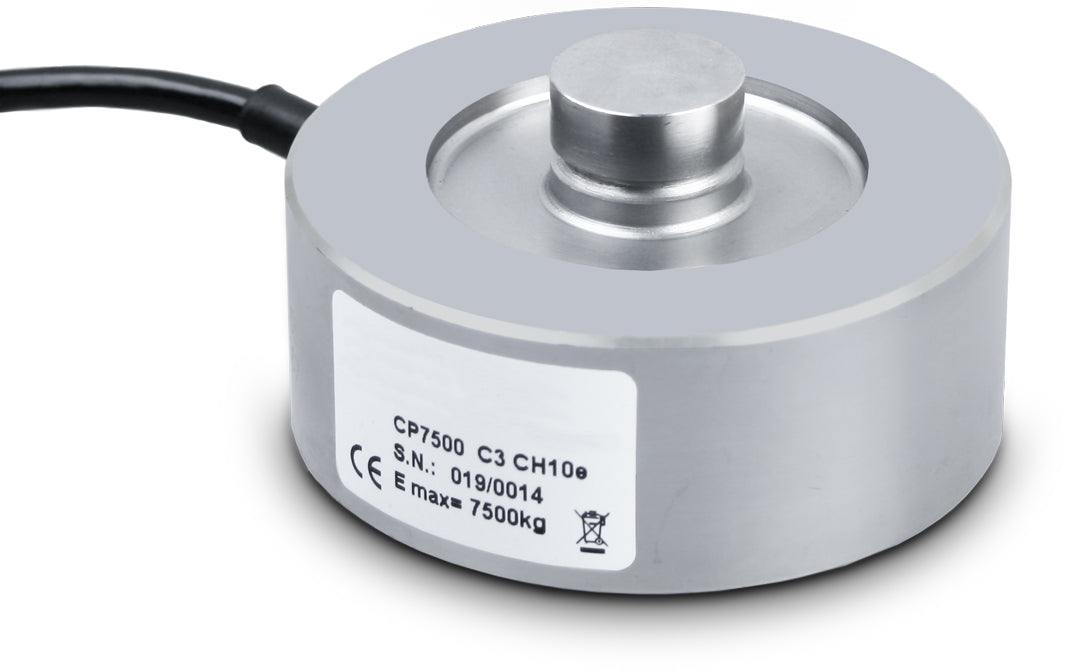
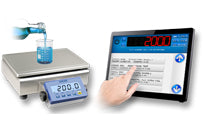
Premium Industrial Weighing Scales For Sale
Manufactured to the highest quality standards, our bespoke weighing scales for industrial purposes provide the most accurate results. We understand that off-the-shelf solutions may not always meet the specific demands of your industry. That's why we take pride in offering customisable weighing scales built to your industry specifications.
Shop by Popular Products
Explore Popular Collections of Precision Weighing Solutions
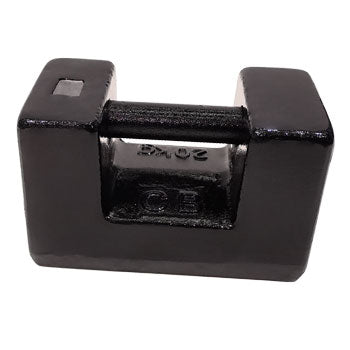
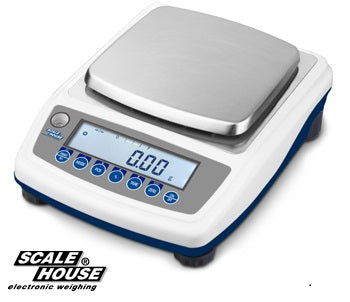
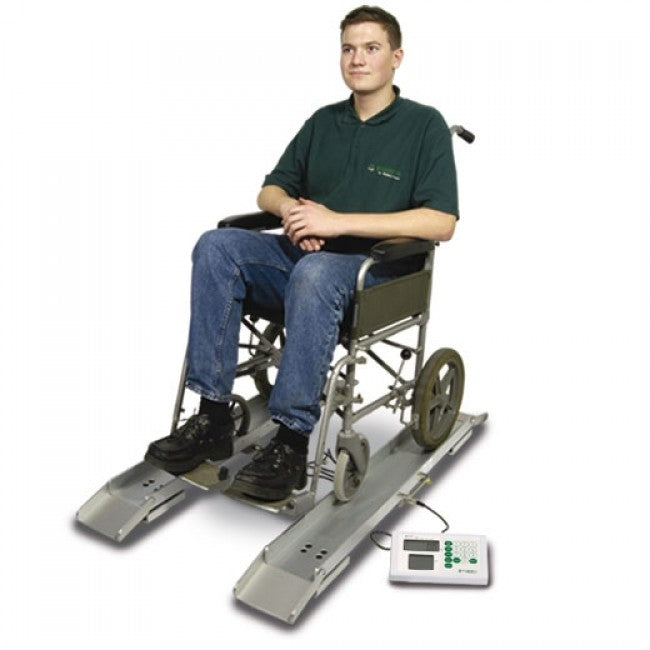
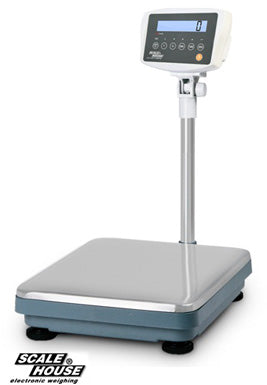
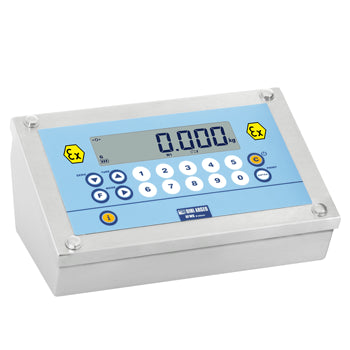
Quality / Certification Assurance with every Solution
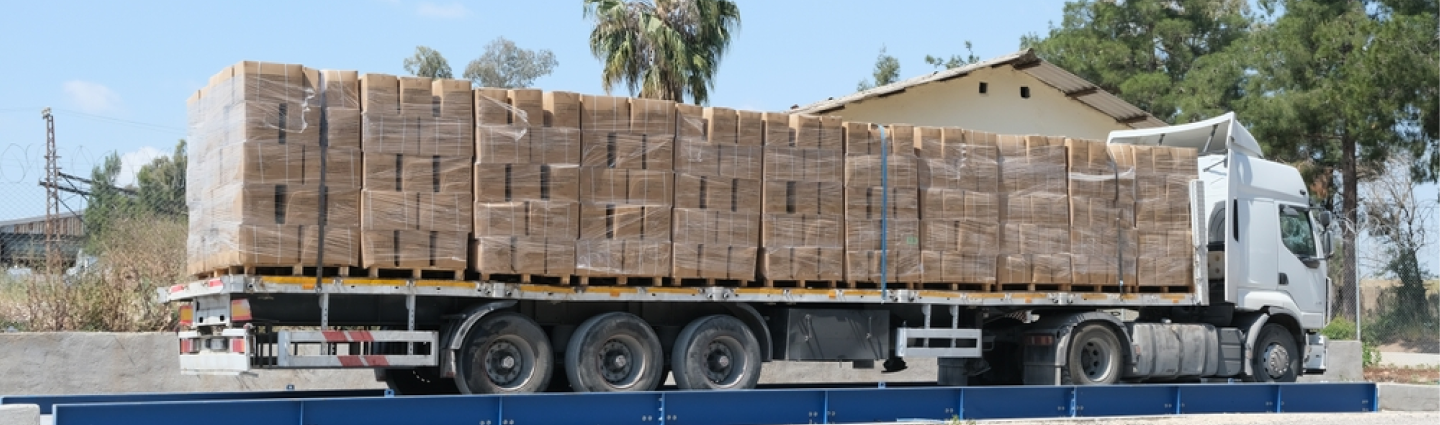
When you work in an industry that involves transporting multiple vehicles with heavy units and materials, weighing becomes a necessity. Driving a vehicle on the road is not road legal due to its weight. Having your vehicles weighed incorrectly could ultimately leave your business vulnerable to prosecution.
Shop by Popular Collections
Explore Popular Collections of Precision Weighing Solutions
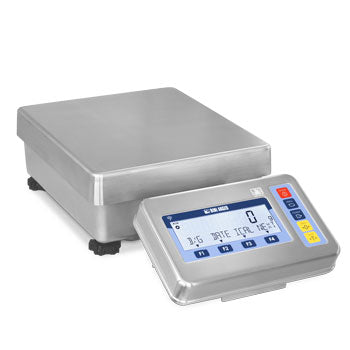
Industrial Scales
Discover our heavy-duty platform scales for various industries, precise medical scales for healthcare, high-accuracy laboratory scales for scientific applications, and a range of test weights, ATEX weighing solutions, weight indicators, and more!
VIEW INDUSTRIAL SCALES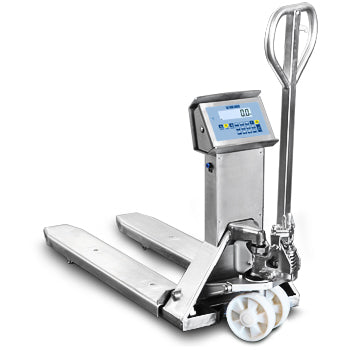
Mobile Weighing Scales
Gravitation offers high-quality, reliable industrial mobile weighing scales, including crane, forklift, and pallet truck models from trusted Irish manufacturers, featuring user-friendly interfaces for precise measurements in agriculture, shipping, and logistics.
VIEW MOBILE WEIGHING SCALESPremium Industrial Weighing Scales For Sale
Manufactured to the highest quality standards, our bespoke weighing scales for industrial purposes provide the most accurate results. We understand that off-the-shelf solutions may not always meet the specific demands of your industry. That's why we take pride in offering customisable weighing scales built to your industry specifications.

Products

Services

Systems
About Gravitation
Gravitation, conveniently located near Dublin, is your go-to source for diverse industrial weighing scale options in Ireland. Our experienced team, with a track record of collaborations with renowned Irish brands like Kildare County Council, Aer Lingus, Irish Rail, and Guinness, is here to offer expert advice on tailored and individually designed weighing solutions for your production needs.
Our expertise spans mechanical engineering, weighing technology, electronics, and computing, ensuring that our custom designs meet your specific requirements. If you're seeking a specific system, let us know, and we'll design it for you.
Our commitment to quality is reflected in our commercial scales, both small and large, which adhere to the ISO 9001:2015 standard. Gravitation, authorized by NSAI & Legal Metrology, meticulously verifies compliant instruments, providing you with the best weighing scales in Ireland for robust trade support.
Clients We’ve Worked With